A (work)force to be reckoned with.
STARs: Skilled Through Alternative Routes.


STARs are half the workforce
STARs are workers who are Skilled Through Alternative Routes, rather than through a bachelor’s degree.
They’re the 50% of the workforce that has developed valuable skills through military service, community college, training programs, partial college completion, or, most commonly, on-the-job experience.
At 75 million strong, STARs are a massive pool of skilled talent, larger than the populations of California and Texas…combined.


STARs are all around us.
Chances are you know more STARs than you may realize. STARs include people of all ages and at all life stages, from twenty-somethings just starting their career to workers with decades of on-the-job experience.
They can be found in every sector of the workforce, from retail, travel, and hospitality to health care, information technology, manufacturing, and more.

STARs also reflect our nation’s racial and cultural diversity:
61%
of Black workers
53%
of Latinx workers
50%
of white workers
64%
of rural Americans
61%
of Veterans

Skilled for Higher-wage Work
Far too many employers assume that low wage means low skill, and that a bachelor’s degree is the only way to build job-relevant skills.
However, Opportunity@Work analyzed the skills content for nearly 900 U.S. occupations and found that the skills required for low-wage jobs often overlap with those needed for higher-wage jobs. In fact, millions of STARs have demonstrated skills for roles with at least 50% higher salaries than their current jobs.

Hitting the Paper Ceiling
Despite STARs demonstrating skills for higher-wage work, research by Opportunity@Work and others has shown that the paper ceiling has severely impacted STARs’ economic mobility.
Over the last 30 years, the wage gap between STARs and workers with bachelor’s degrees has doubled. Adjusted for inflation, STARs now actually earn less on average than they did in 1976. According to a 2022 study by Opportunity@Work, it takes more than 30 years on the job for STARs to earn the same wage that college graduates earn on day one of their careers.


STARs and companies
share their paper ceiling.
Get inspired by stories of STARs and companies tearing the paper ceiling, then create a custom story card to share your own story on social media. Every story matters, especially yours.






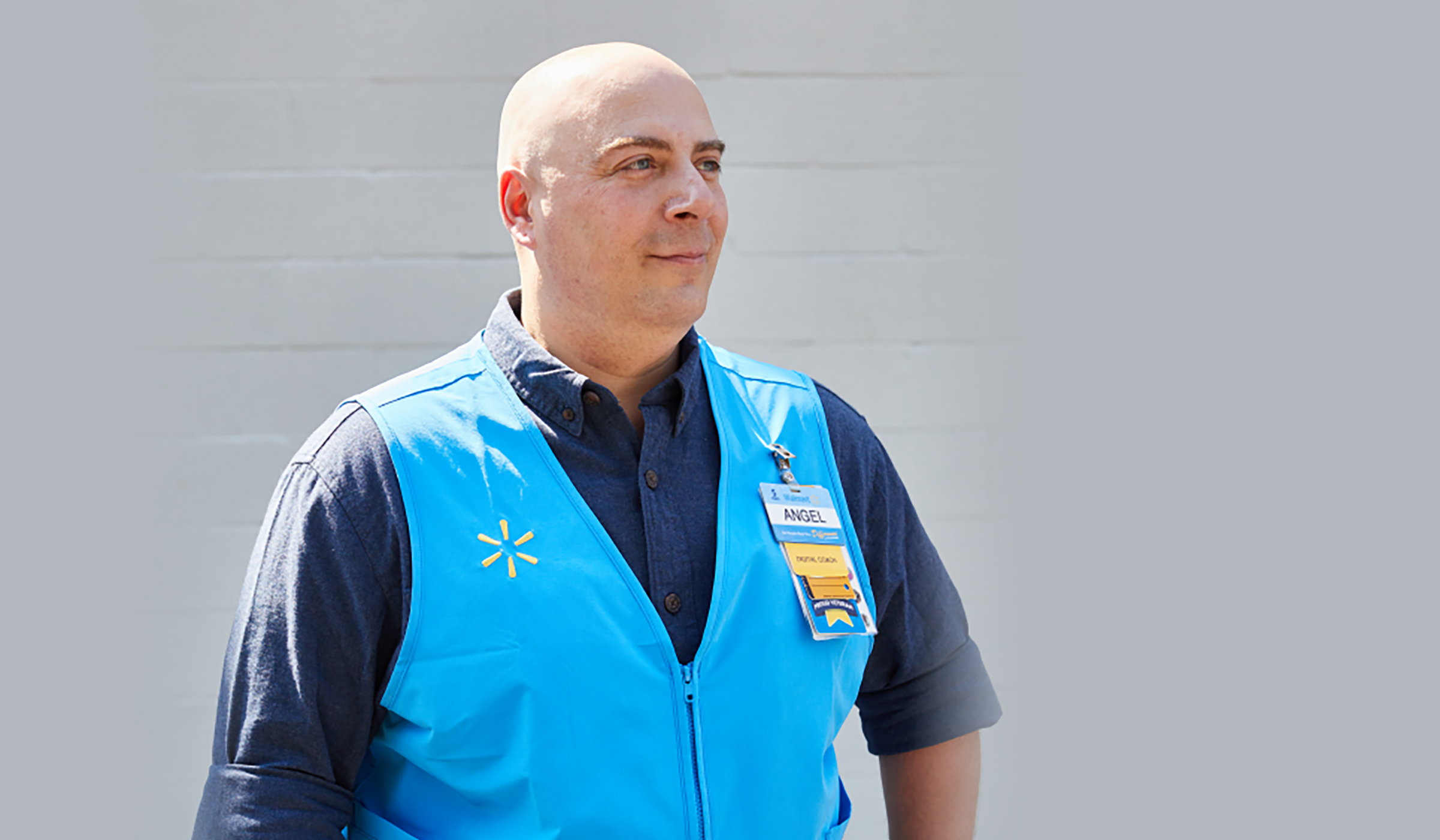



See the world beyond the paper ceiling
Whether you’re a STAR, an employer, a workforce advocate, or anyone seeking to create a more equitable future, you can help tear the paper ceiling and see the world beyond it.


